
Maximizing Your Wins with Glory Casino APK Latest Version Strategies
October 20, 2026Скачать Мостбет На Андроид Официальное Мобильное Приложение бесплатно
October 21, 2026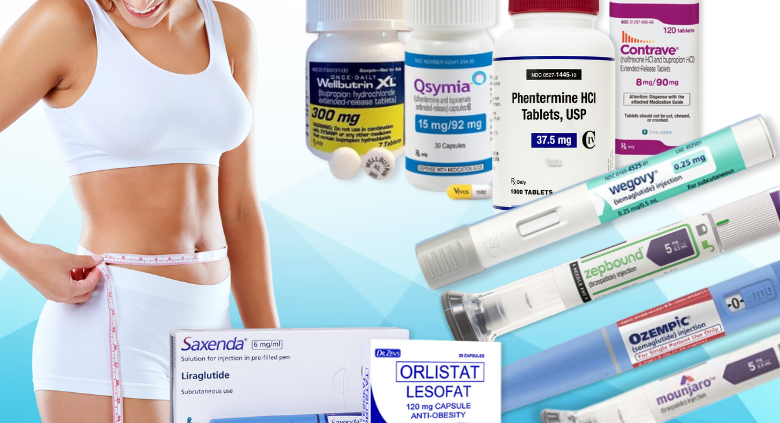
The safest way to get weight loss medication is through a licensed pharmacy that has a direct link to your doctor or works via a reputable telehealth platform. You can’t just order these specific prescriptions from a random site; you need real medical oversight to make sure the medication is safe and actually what it says it is.
If you want the most direct route, look toward the new digital health models. The market has shifted, and big players are making it much easier to get these prescriptions. For example, Weight Watchers works with Amazon Pharmacy, CenterWell Pharmacy, and Lilly Direct to handle everything from your doctor’s visit to delivery at your front door.
The landscape has changed a lot over the last year. It’s not just about having a paper prescription anymore. Now, it’s about finding a pharmacy that actually has the stock and the insurance setup to keep things affordable. If you walk into a local corner store, they might be out of stock for weeks because the demand is just so high.
Trying to navigate all these options can feel like a puzzle with missing pieces. You’re balancing cost, availability, and whether the provider is legit. It’s a lot to juggle when you’re just trying to get healthy.
Sorting Through the Different Medication Types
Not every weight loss drug is a “magic shot.” The term “GLP-1” gets all the attention, but there are plenty of FDA-approved options your doctor might suggest based on your metabolic needs. Some people do better with oral pills, while others need the weekly injection.
The most talked-about class involves GLP-1 agonist receptors. These mimic the hormones that regulate how you feel hungry and how you digest food. On the clinical side, this includes medications like tirzepatide (Zepbound), semaglutide (Wegovy), and liraglutide (Saxenda). They essentially change how your brain and stomach talk to each other.
But they aren’t the only options. Depending on your history, a doctor might look at other FDA-approved choices. The list of 7 FDA-approved medications includes orlistat (Xenical/Alli), phentermine, and combinations like phentermine/topiramate (Qsymia) or naltrexone/bupropion. Some are daily pills, and others work through totally different mechanisms.
Here is a simple way to see how they compare:
| Medication Class | Common Brand Names | Typical Delivery Method |
|---|---|---|
| GLP-1 Agonists | Wegovy, Zepbound, Saxenda | Weekly/Daily Injection |
| Lipase Inhibitors | Xenical, Alli | Oral Pill |
| Sympathomimetics | Phentermine | Oral Pill |
| Combination Therapies | Qsymia, Contrave | Oral Pill |
Before you get set on a specific brand, remember that “one size fits all” doesn’t work here. What works for a celebrity or a neighbor might be a bad idea for your blood pressure or heart rate. Always talk to a professional before you change anything.
The Logistics of Getting Your Prescription Filled
Once you have the prescription, you hit the next hurdle: the pharmacy. This is where things get messy. You might have a script from your primary doctor, but your local pharmacy might be out of stock. This is why so many people are moving toward specialized online pharmacies or telehealth services.
If you are seeing a doctor like Dr. Herrmann Süßen, your prescription might go to a standard retail pharmacy. But for the high-demand GLP-1 drugs, you might need a specialized manufacturer program. For instance, Lilly Direct has become a huge part of how people try to bypass middleman issues.
Then there’s the price. It can get incredibly expensive without the right coverage. Many people use coupons or specific pharmacy programs to keep costs down. Some services even allow you to buy prescription weight loss medication with insurance, with prices sometimes starting as low as $25.00 if you have the right coupon or eligibility.
Check if your insurance covers “weight management” specifically. Some plans cover obesity medications, but others call them “lifestyle drugs” and refuse to pay. Call your provider before you walk into a pharmacy or click “buy” on a site. It saves a huge headache later.
How to Secure Your Medication Without the Headache
If you’ve decided medication is the right move, you need a plan. You can’t just wander into a pharmacy and hope for the best. Follow a workflow like this to make it easier and to avoid being scammed by shady vendors:
- Schedule a consultation with a healthcare provider to discuss your medical history and weight goals.
- Ask your doctor specifically which brand of medication is most appropriate for your health profile.
- Verify with your insurance provider whether they cover the specific brand or if you need a “prior authorization.”
- Locate a pharmacy that has confirmed stock of your specific medication, either local or through a telehealth partner.
- Request that your doctor send the prescription directly to that specific pharmacy to avoid delivery delays.
- Compare prices between your insurance copay and out-of-pocket costs using tools like GoodRx or manufacturer coupons.
- Confirm the delivery method, especially if you are receiving an injectable medication that requires refrigeration.
One more thing: if you’re getting an injectable, make sure you have all the supplies. Sometimes the pharmacy includes the needles, but they often don’t. It’s better to have them on hand than to be halfway through a dose and realize you have nothing to inject it with.
Understanding the Realities of Side Effects
We have to talk about the downside. Medication is a tool, but it’s one that comes with biological consequences. Most people deal with some gastrointestinal issues when they start GLP-1 medications. Nausea is common, but some people also get constipation or notice changes in how food tastes.
These side effects usually happen when you start a new dose or increase it. If you’re taking something like semaglutide, the common advice is to “start low and go slow.” This means starting at a very small dose and gradually increasing it over several weeks so your body can adjust. (I knew someone who skipped the gradual increase and spent their first week feeling terrible; it was a huge mistake.)
You also need to be aware of the “rebound” effect. If you stop taking these drugs without a long-term plan for lifestyle management, the weight often comes back. These drugs change how your body handles hunger, so once the drug leaves your system, those hunger signals can return quickly. It’s a marathon, not a sprint.
Keep a log of how you feel. If you feel dizzy, have severe abdominal pain, or notice an unusual heart rate, stop and call your doctor immediately. There is a big difference between “getting used to a new medicine” and “having a bad reaction.” Learning to tell the difference is the most important part of the process.
Your pharmacy is part of a larger system that includes your doctor, your insurance, and your own daily habits. If you stay informed and check that your providers are legitimate, the whole thing is much less intimidating.
Common questions
What is the popular weight loss prescription?
The most popular weight loss prescriptions currently include GLP-1 receptor agonists like semaglutide and tirzepatide.
What did Kelly Clarkson use to lose weight?
While Kelly Clarkson has discussed lifestyle changes, there is no official confirmation that she used specific weight loss medications for her weight loss.
Where can I buy GLP-1 pills?
GLP-1 medications must be purchased through a licensed pharmacy with a valid prescription from a healthcare provider.
What are some alternatives to GLP-1 medications for weight loss?
Alternatives include lifestyle interventions like calorie restriction and increased physical activity, or other FDA-approved prescription medications like phentermine.
How can I safely access weight loss medications?
You should consult a medical professional to receive a prescription and ensure you are using a legitimate, regulated pharmacy.
